Public Art
Two Live By A Star
2021 to 2025
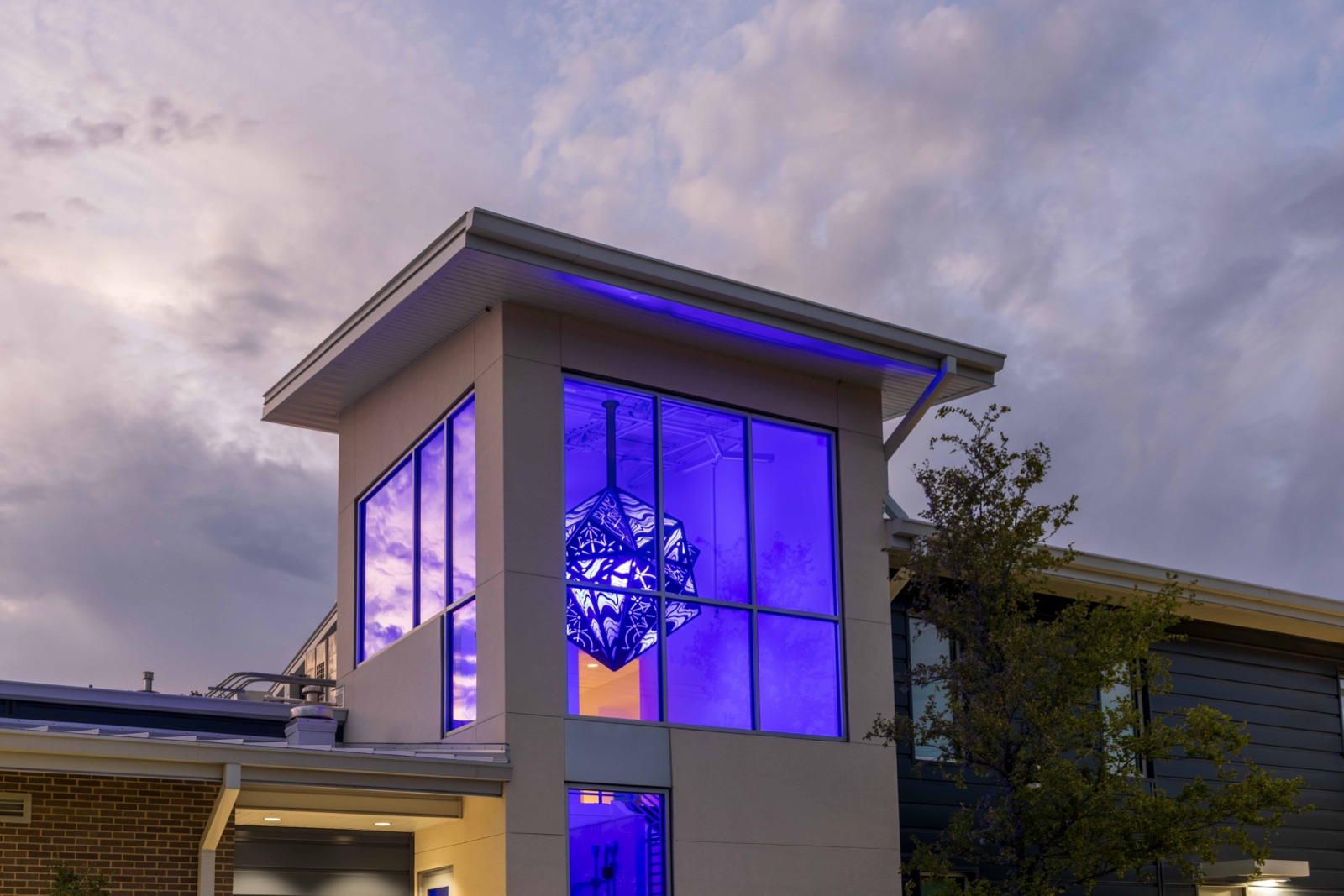
In 2020 the City of Austin's Art in Public Places program selected seven artists to be embedded in the fire and EMS stations it was rebuilding. Twelve stations, six commissions, and each artist given two sites to choose between. I was one of them. Then the pandemic held everything, so the residency itself did not start until the summer of 2021: three months inside two stations, with no brief except to be there. Five years after the selection a seven and a half foot star hangs in the entrance atrium of the rebuilt Austin Fire Station 25 and Travis County EMS Station 10, lit from inside, visible from Duval Road after dark.
This is what happened in between.
The choice
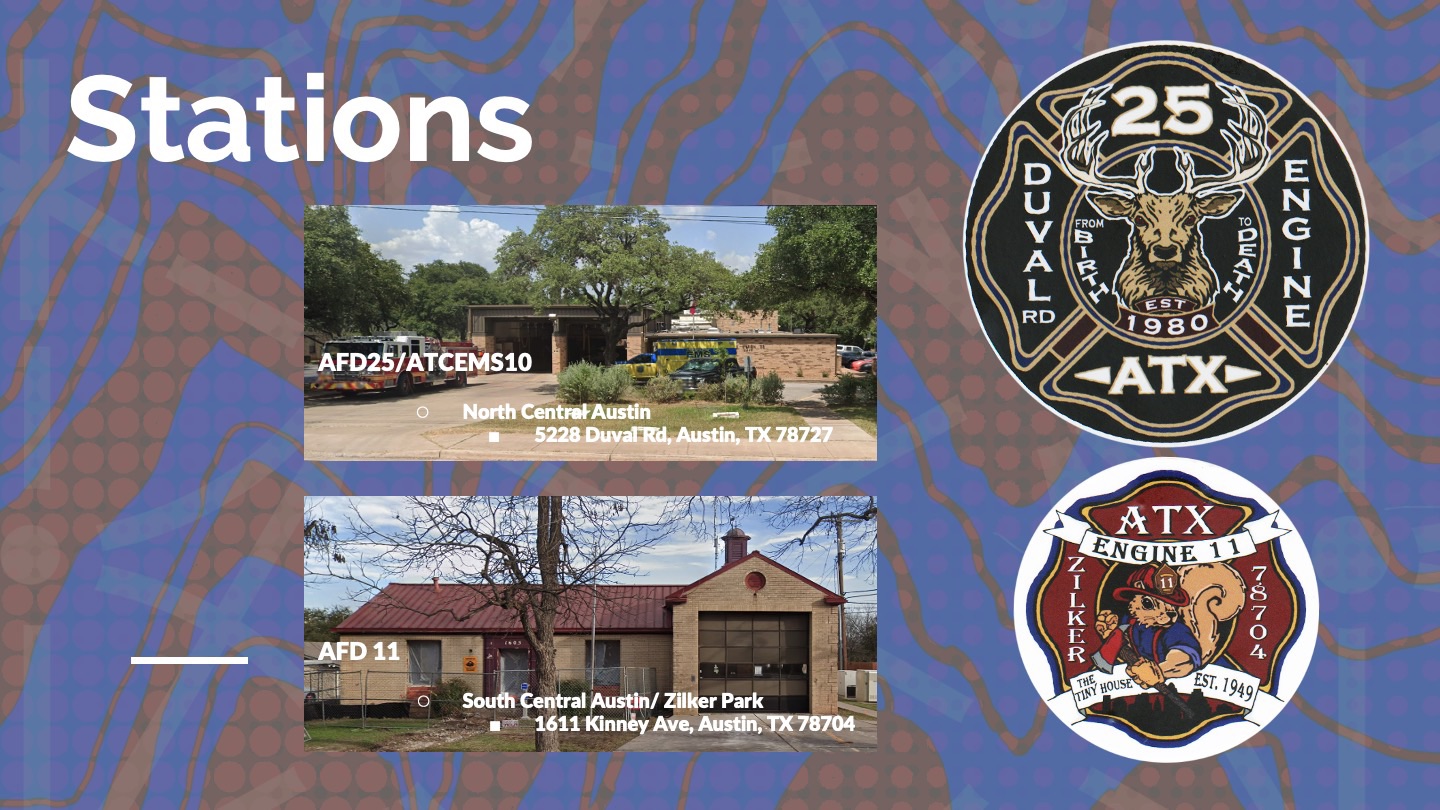
I could have taken either, or taken both and split the budget between them. Engine 11 was the easy one. It was a remodel rather than a full rebuild, and it would have been finished before I reached the middle of my own design, which means I could have delivered a work there in a fraction of the time.
I took the other one, and it cost me years.
AFD 25 and ATCEMS 10 was the bigger site and the more interesting problem. Engine 11 is a fire station. The Duval site is two services, fire and emergency medicine, being rebuilt into one building that they would share, which is a question before it is a commission: what do you make for two organizations who are about to start living together?
Being there
I arrived with no expectations and no idea what the work would be. I was there to observe and to learn. The two sides of a shared station turned out to be two different cultures operating in the same building at the same hour, with very different personalities, and I spent the time learning how that works.
There were moments to have conversations, but each time they were interrupted by an odd sound, which I later learned was a box alarm tone signifying a call had come in. Everyone dropped everything and jumped into a truck, rushing to somewhere where someone was having the worst moment of their life.
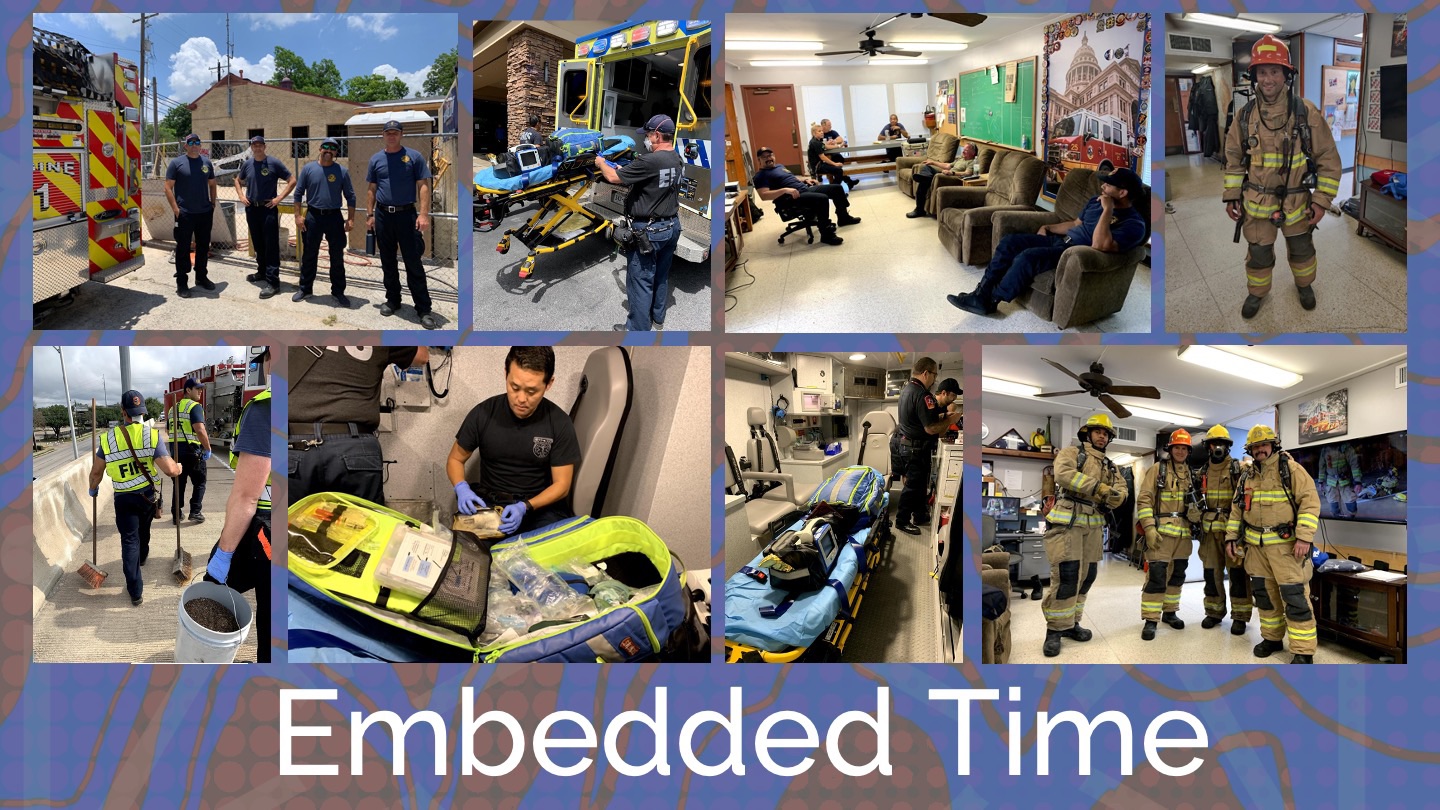
I asked many of them whether they thought the job was dangerous. The question did not land. Most answered that I was looking at it the wrong way: they had been trained for the eventuality of a situation going wrong, so every danger was just a problem to be solved.
They taught me to repair a puncture in a car tire. Something that had been stressful to me became a minor annoyance the moment I knew how simple it was. That is the whole lesson in miniature. Competence converts danger into a task, and for them the difference between a task and a catastrophe is training, readiness and timing.
They taught me that anyone can be heroic with simple and mundane actions done competently and compassionately.
What I kept seeing was the part the public does not: that these crews absorb the difficult, the uncomfortable and the darkest parts of most things so that everyone else can live in the easy, comfortable brilliance of a functional society.
The problem a symbol had to solve
Both services already have a symbol. The Maltese cross belongs to the fire service, the Star of Life to emergency medicine. Each carries a calling and a history, and neither says anything about the other. What the rebuilt station needed was a third thing: a symbol for what the two do together, in one building, on the same shift.
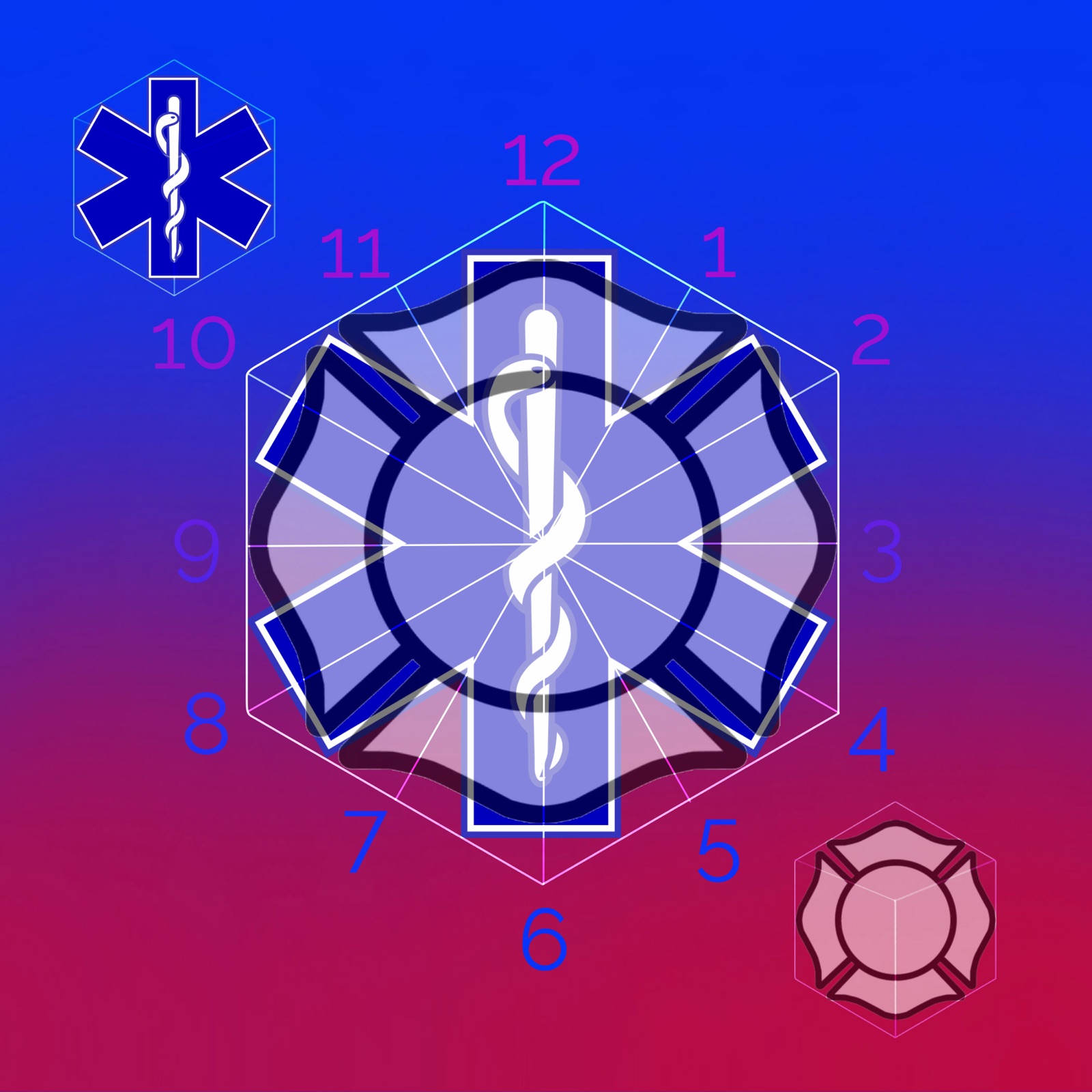
The symmetry is not decorative. Both services work the same rotation, and the form had to carry that: an object whose order repeats the way a shift repeats.
Two houses, one star
A house is a box. It is a container for people to live in, and a cube is a good representation of something routine, not complicated, ordinary but strong and dependable and structured.
A compound cube is two cubes intersecting. It is a polyhedron that looks like it could have evolved from a platonic solid, and it reads as a star. I took that form because two cubes are two houses, and the shape they make when they interpenetrate is not a compromise between them. It is something neither one is alone.
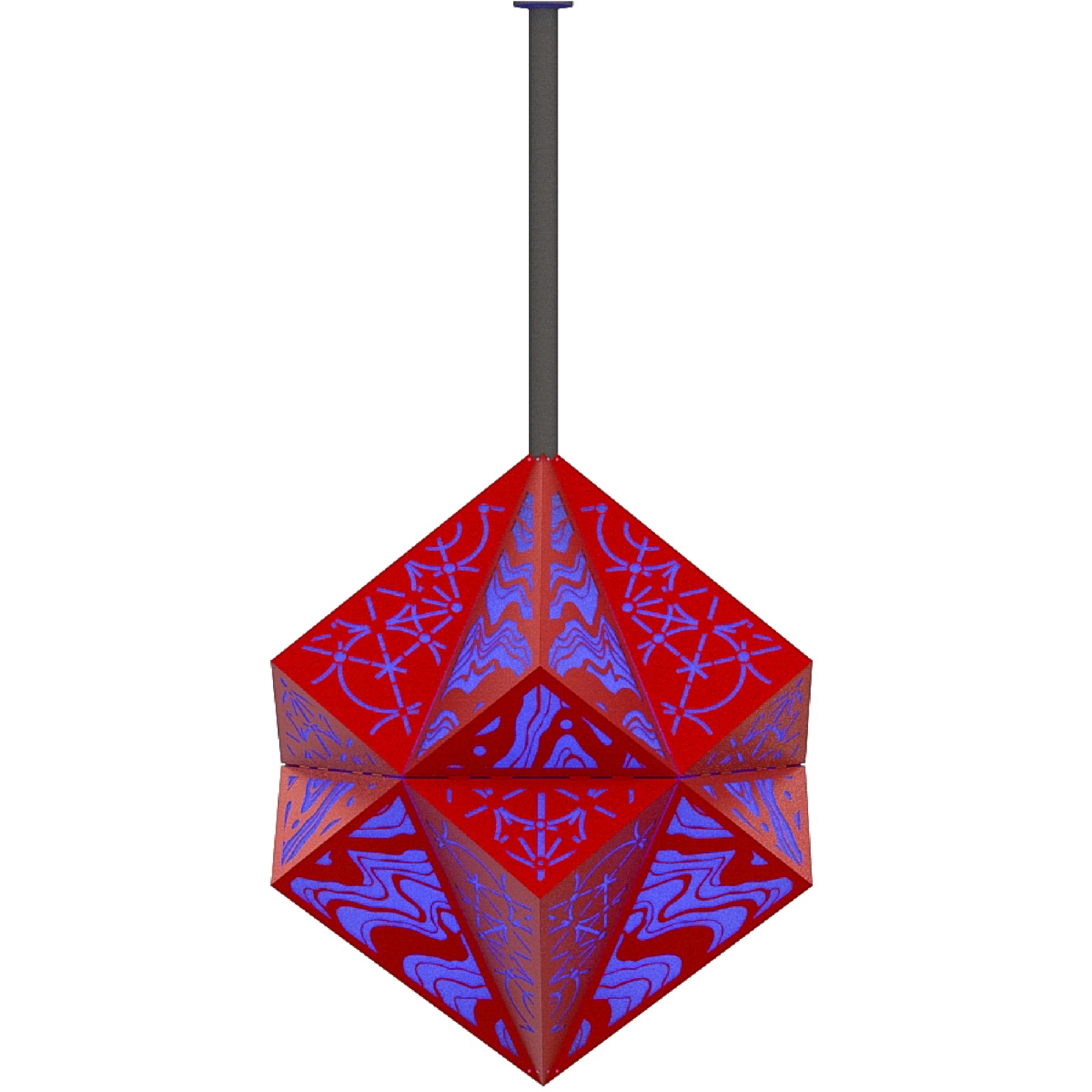
Hand-drawn first, then built digitally, then handed to engineering. The surface pattern runs across all thirty six faces and continues across the joints, so the star reads as one object rather than as panels bolted together.
The title is a play on words. The two are the two organizations who will live with this star in their new station. A star is also a fixed point, the thing you navigate by, and that is what a station is to the blocks around it.
Engineered, then fabricated
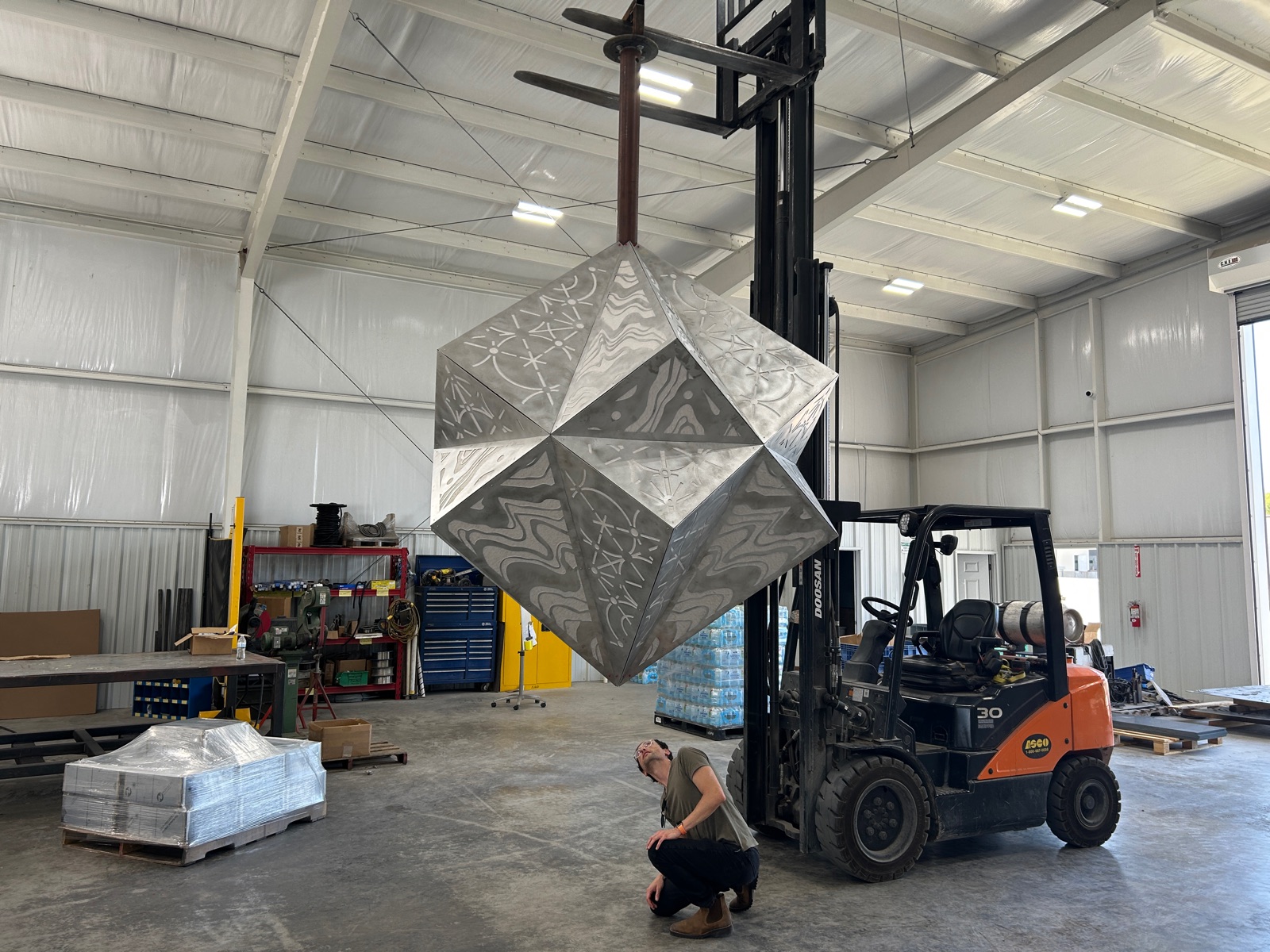
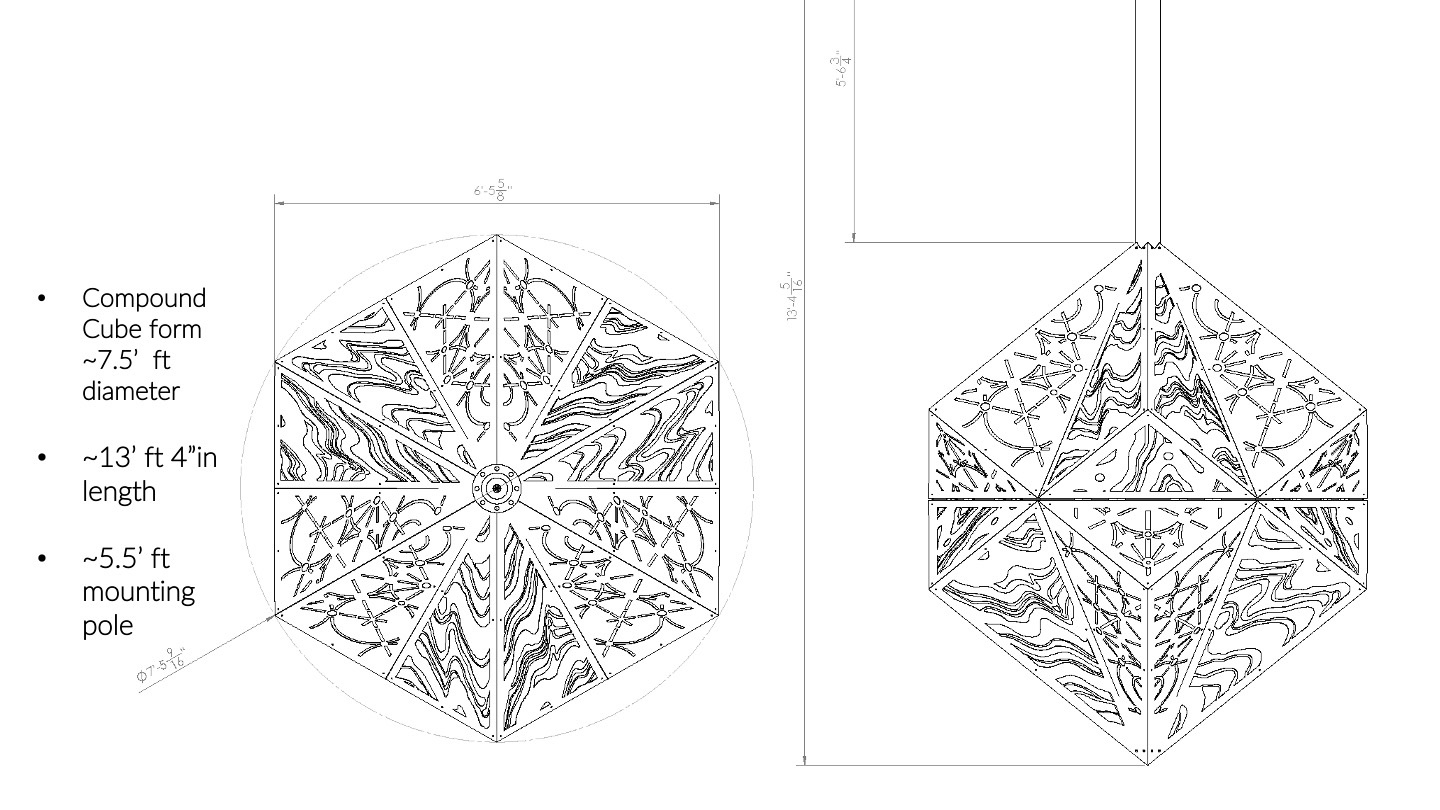
Nothing about this was made by hand at scale. The geometry was engineered and the object was fabricated in metal by River City Industries in Austin, who built the structure and CNC laser cut every pattern panel. Behind the panels is frosted cell cast acrylic at 0.060 inches, cut on the same machine, which turns the interior LEDs into an even glow instead of a row of bright points.
Two intersecting cubes produce thirty six faces. The star itself is seven and a half feet across, thirteen feet four inches overall once the attachment pole is counted. It weighs roughly six hundred pounds and hangs thirteen and a half feet up, from the steel ceiling joists of the two story entrance vestibule.
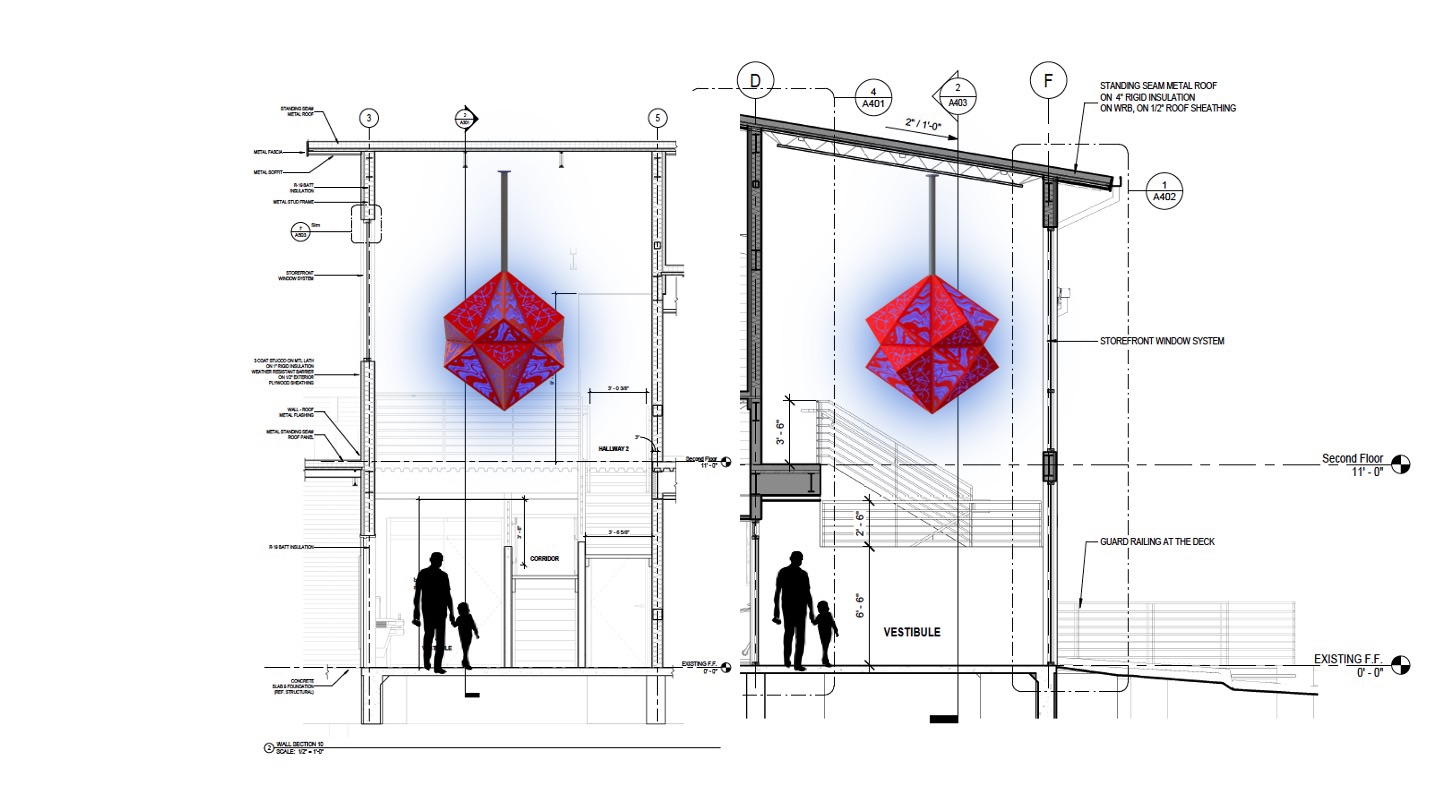
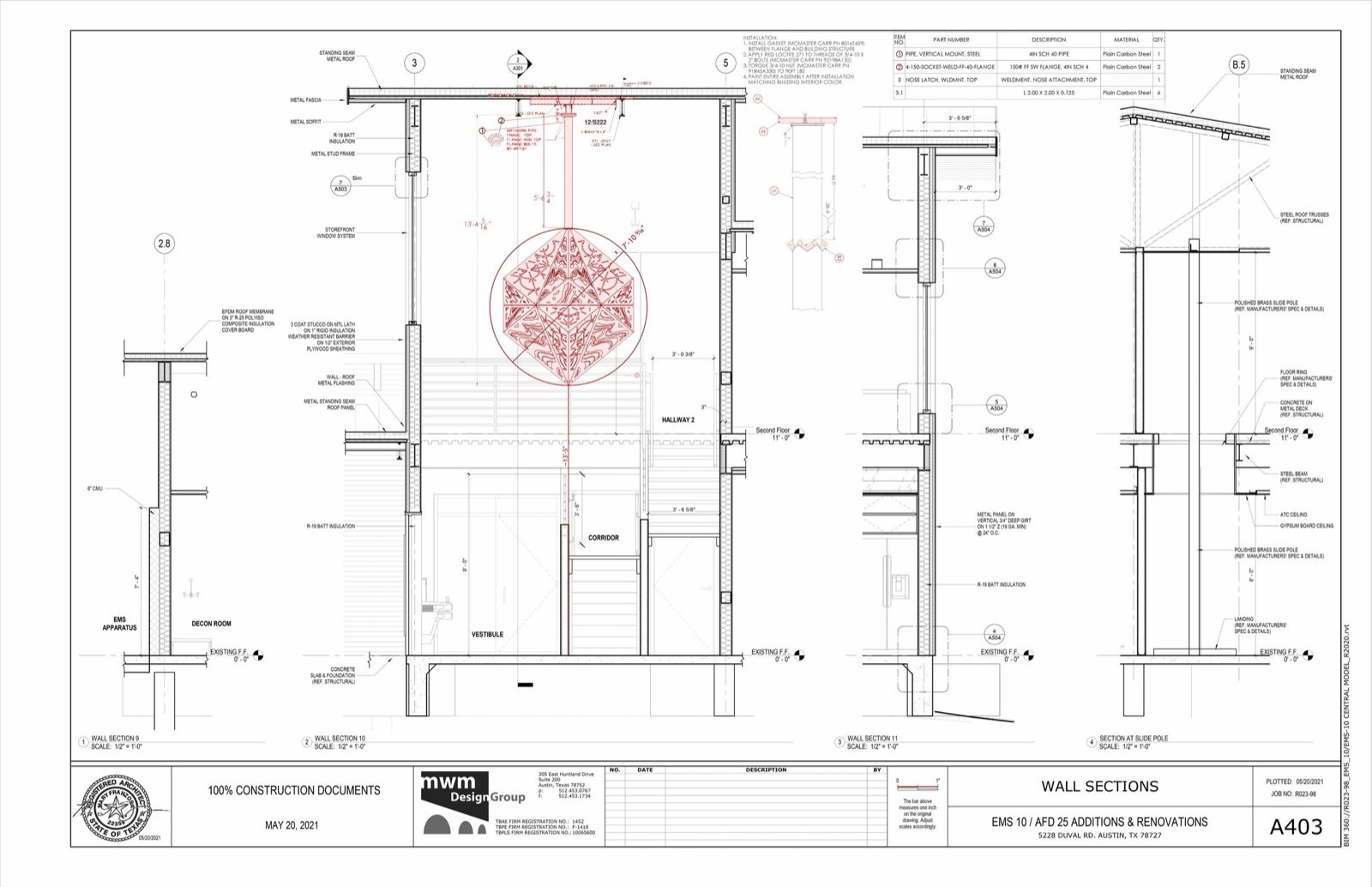
Suspending six hundred pounds of lit metal over a floor people walk through every day is a structural problem before it is an artistic one, and this one had a number attached. The roof above the vestibule was rated to carry three hundred pounds at that point. The sculpture is twice that.
So the building changed. The roof structure over the entrance was upgraded to take the load, and an engineer was brought in to design the flange interface where the artwork's pipe meets the building's steel. For a while it looked as though the upgrade would be paid for out of the art budget, which would have meant a smaller sculpture or no sculpture. In the end the construction budget absorbed it.
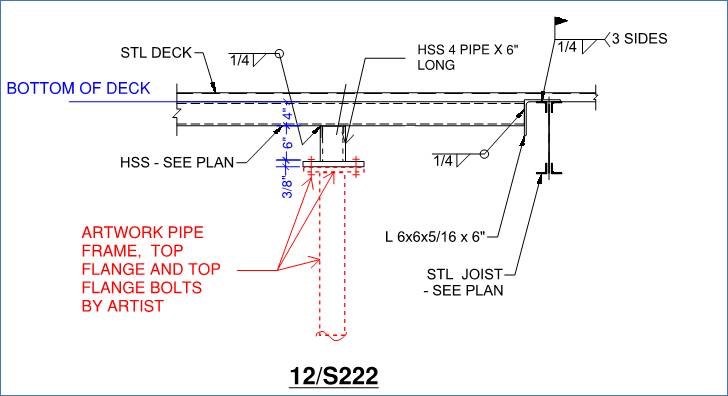
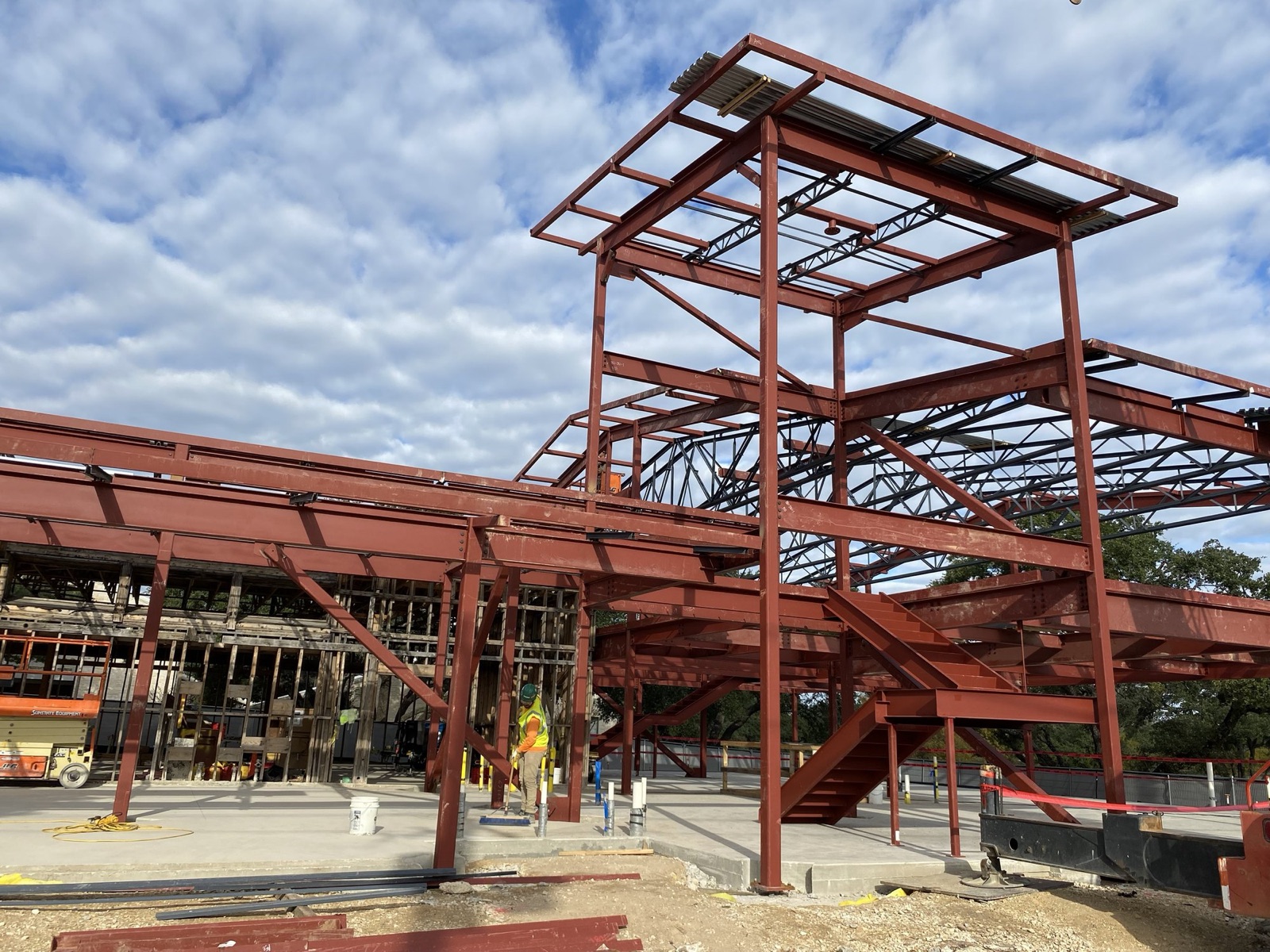
Austin Paynter took my renderings and produced the structural drawings. MWM Design Group were the architects on the station renovation and drew the piece into their own wall sections. SpawGlass was the general contractor, which is why the installation had to fit inside a live construction schedule and why losing a day to a lift mattered.
Where it hangs
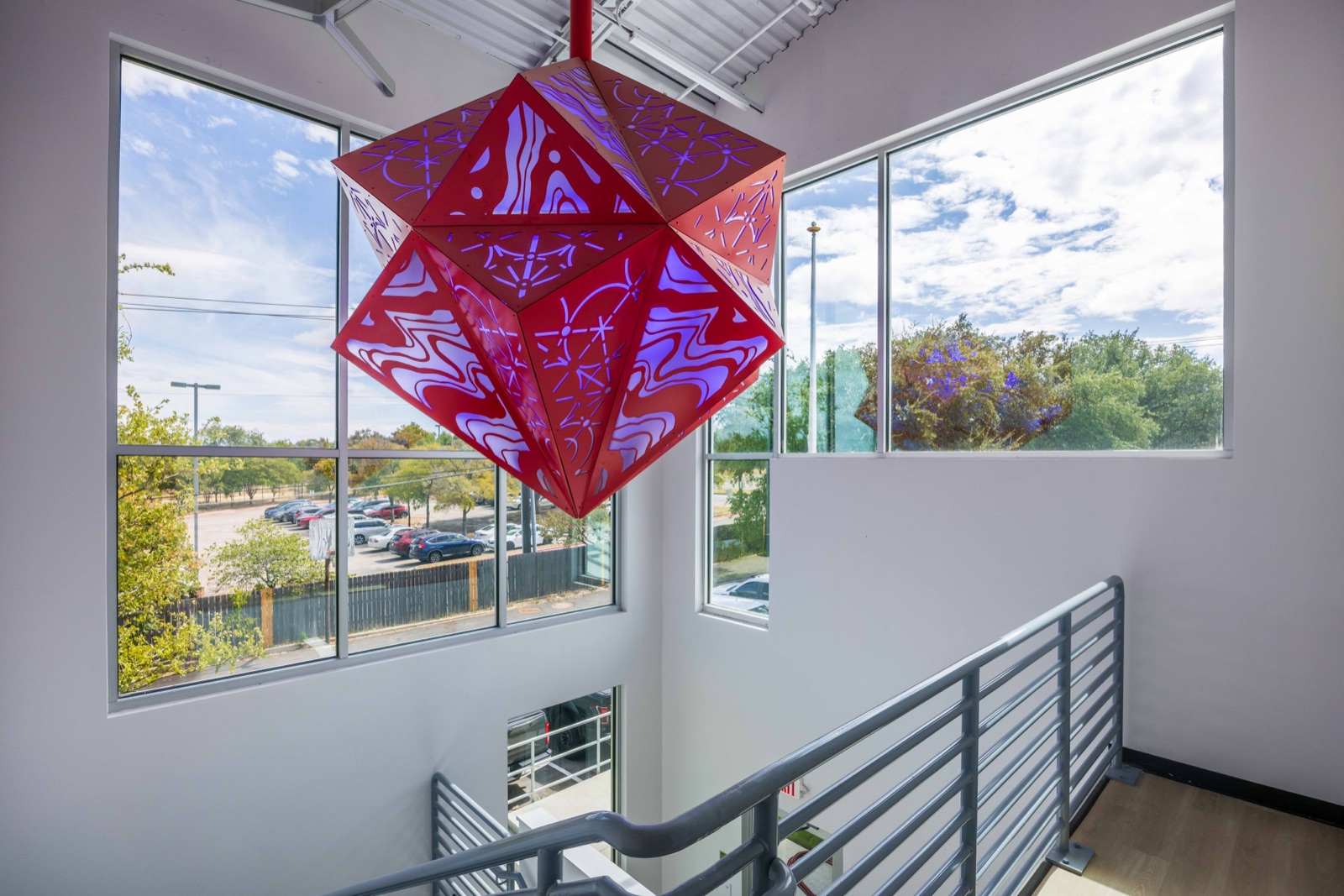
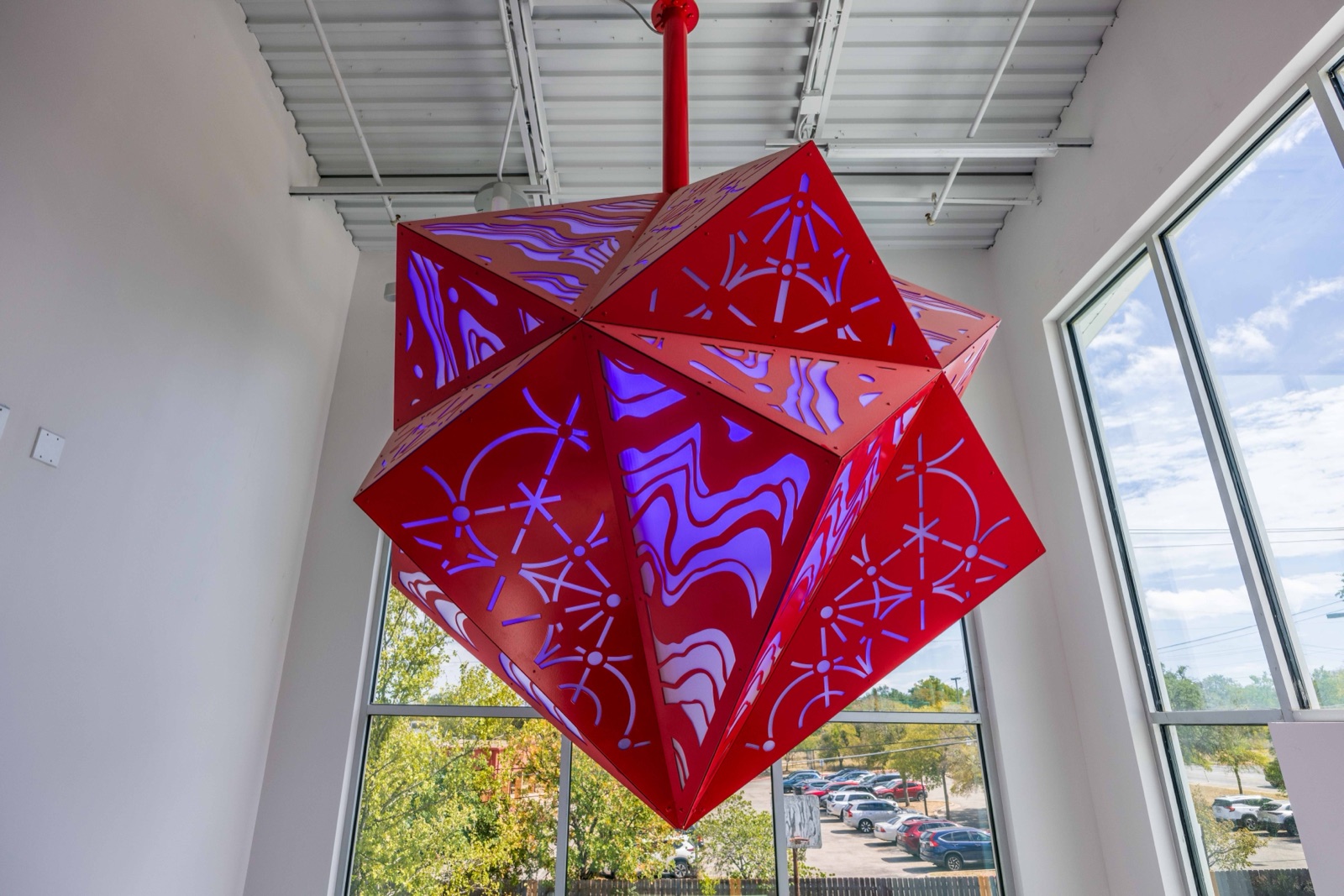
It hangs in the entrance atrium, elevated above the floor, so you pass under it going in and see it over your shoulder going out. In daylight it reads as a red and violet solid against the windows. At night it is the lit thing.
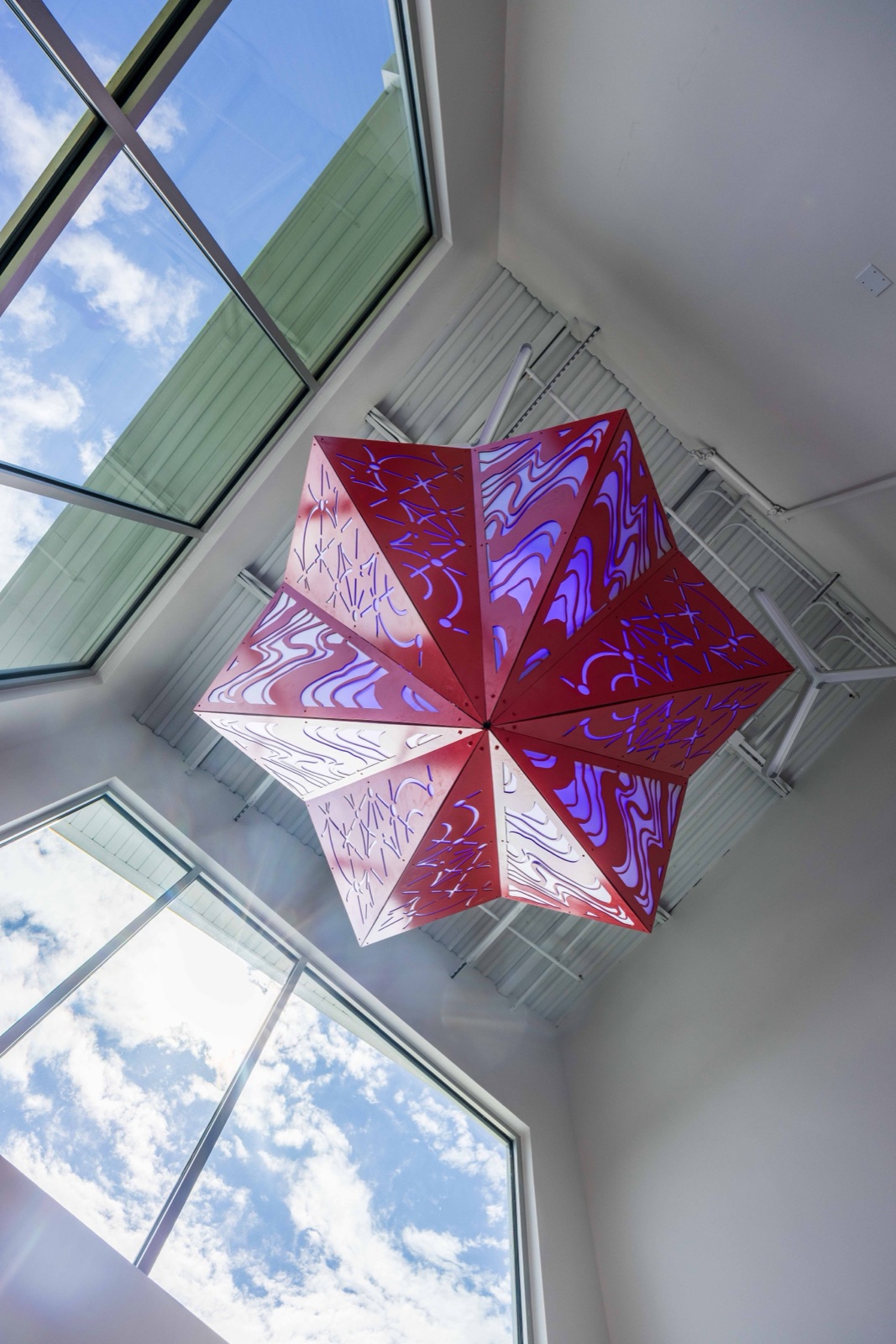
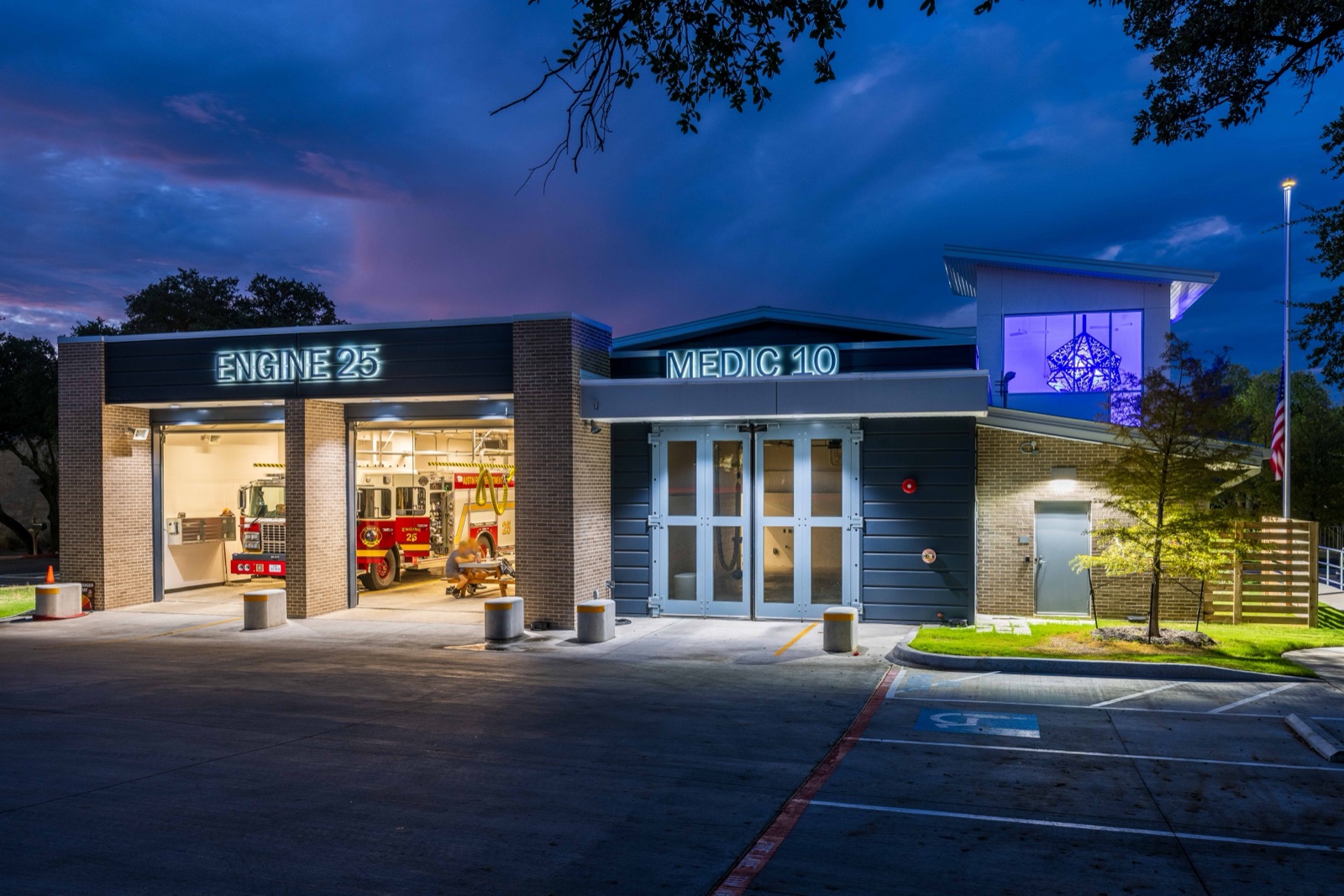
The vestibule is glazed floor to ceiling on two faces, so the star is visible from the street on both approaches. From Duval Road the tower reads as a lantern. A station is a fixed point in its community whether or not anyone is looking at it, and this makes that legible from the road at two in the morning.
Two days in October
It went up on the 28th and 29th of October 2024, installed by a three person crew from Bridge, who handled logistics, lighting and installation. The 28th was lost to a lift that would not cooperate, so almost all of it happened on the second day.
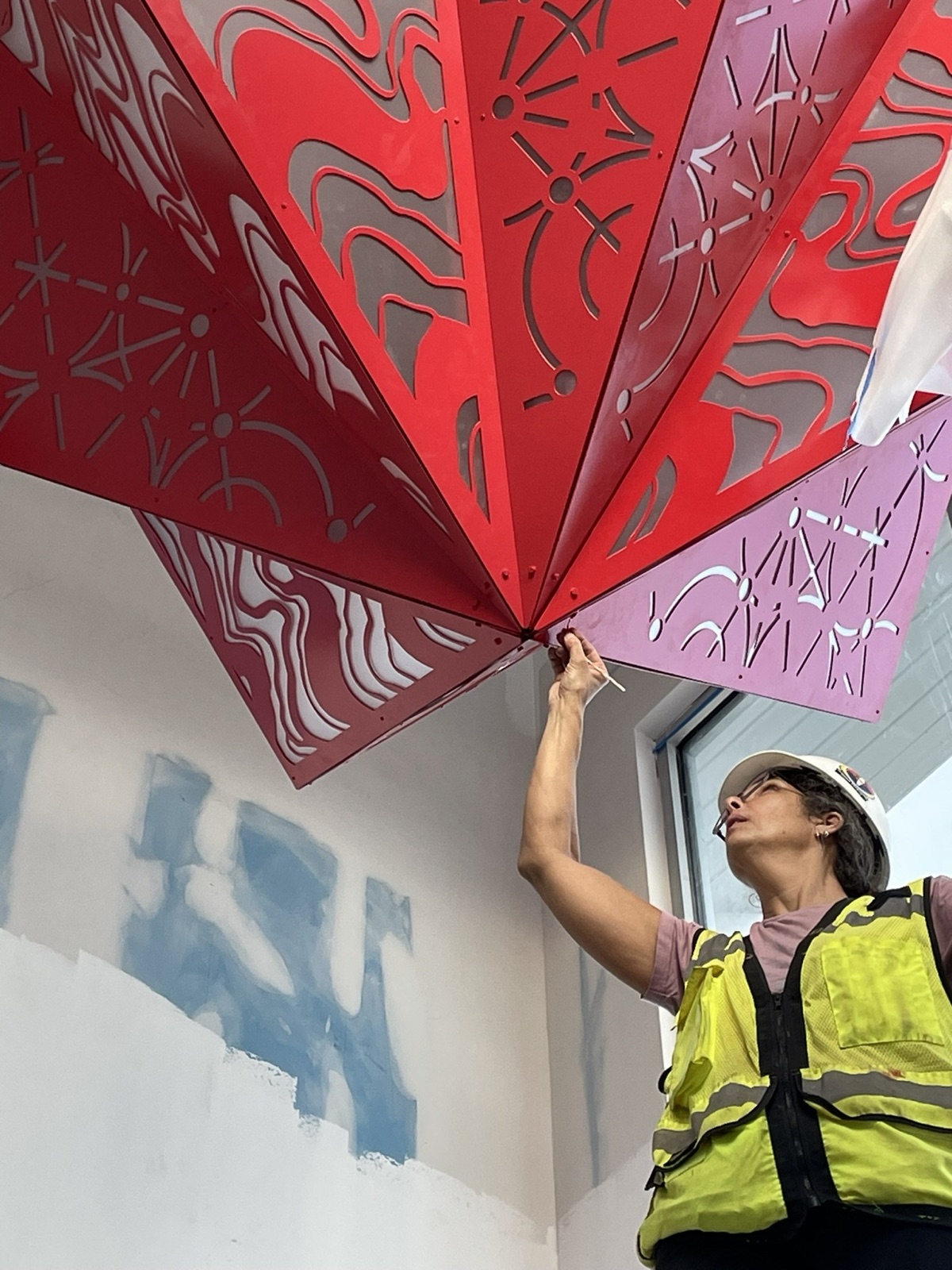
On the 30th I walked the finished piece with Frederico Forte, the last of my project managers at Art in Public Places, and handed it over to the city.
The work is dated 2025 rather than 2024 because that is when the rebuilt station opened and the piece became something the public could actually reach. It hung in an empty building for months first.
After
There was no dedication, or none that I was told about. The station was still finishing, and I went back twice to look at it in an empty building before anyone moved in.
Five project managers carried this at Art in Public Places between 2021 and 2024: Anna Bradley, then Marjorie Flanagan, then Anna Bradley again on an interim basis, then Alex Irrera, then Frederico Forte. That is the shape of civic work. The commission outlasts the people administering it, and the artist is the only one present for the whole of it.
On 14 June 2025 I took my dad to see it. The crews had just moved in, and we stood in the atrium and talked with them. That was the first time the work was doing what it was for, with the people it was made about standing underneath it, and it happened because I showed up with my father on a Saturday.
On 4 September 2025 I walked it with Mery Godigna Collet and Luis R. Gutierrez, the two artists who shared a station in the same program and whose pairing is why seven artists produced six commissions. On 24 September Tyeschea West photographed it, which is where most of the pictures on this page come from.
Almost every time I have been back I have run into B shift. Not by arrangement, just because they are the ones there. I still have not met most of the crews who live with it.
The work is dedicated to the personnel of AFD Engine 11, AFD Engine 25 and ATCEMS Medic 10, the crews who let me stand in their kitchen and ride in their trucks in 2021.
It has been several months, maybe years by the time you are reading this, since my last ride-along. It was an experience that will be with me for the rest of my life.
Commissioned by the City of Austin Art in Public Places. Architect: MWM Design Group, Austin. General contractor: SpawGlass. Structural engineering: Austin Paynter. Structure, CNC laser cutting and acrylic: River City Industries, Austin. Logistics, lighting and installation: Bridge, Austin. Photographs by Angel Axioma, except the night exterior and one daylight view of the atrium, by Tyeschea West.
The record
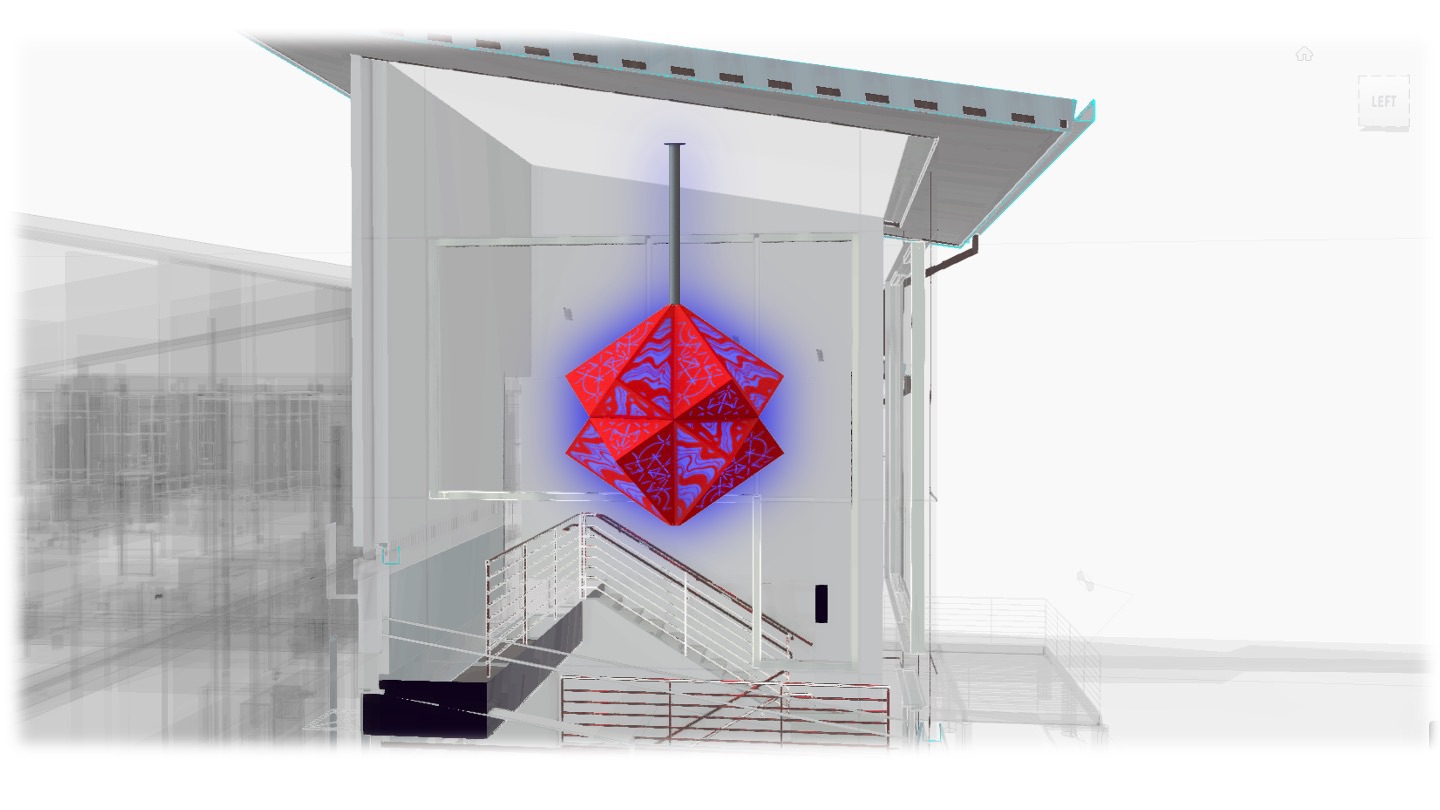
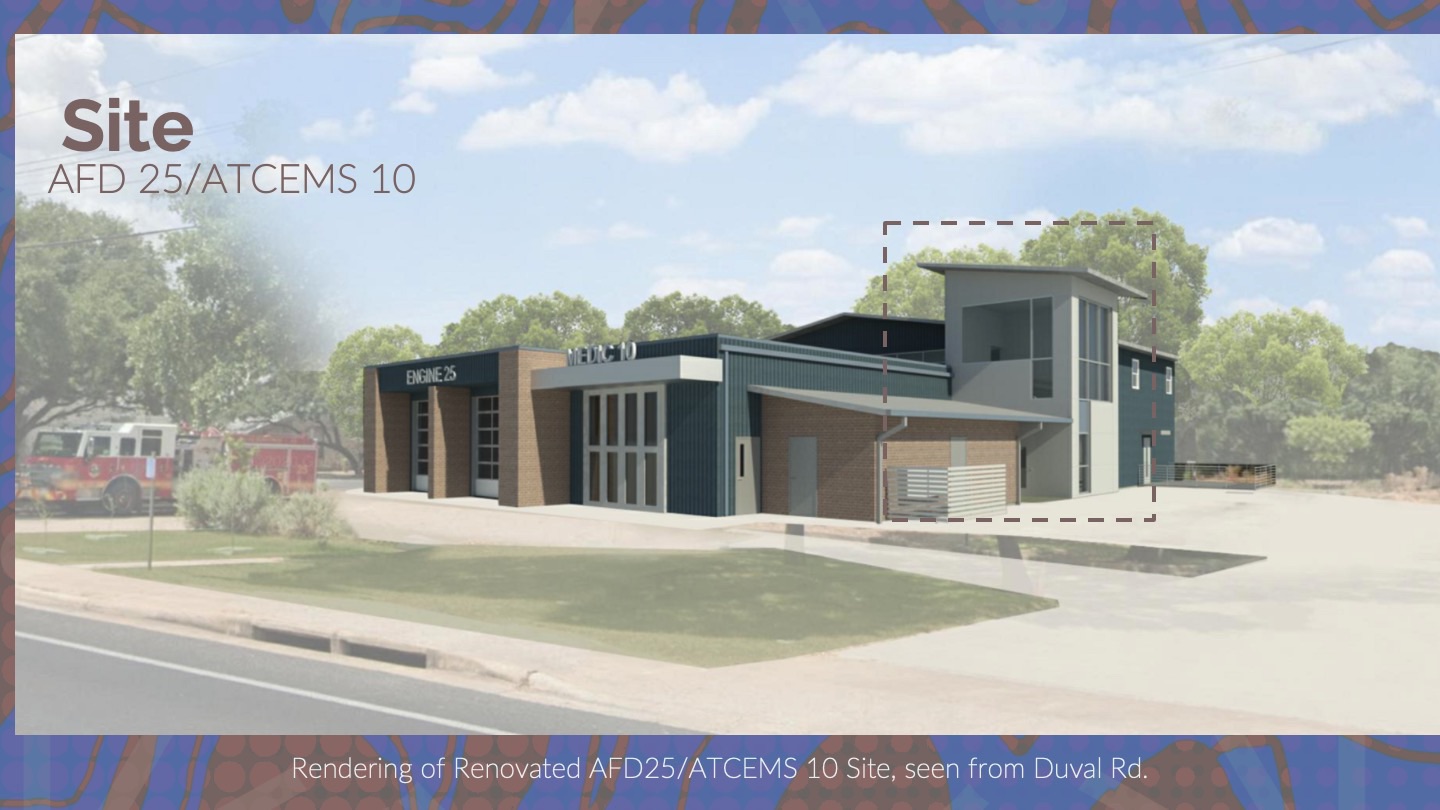
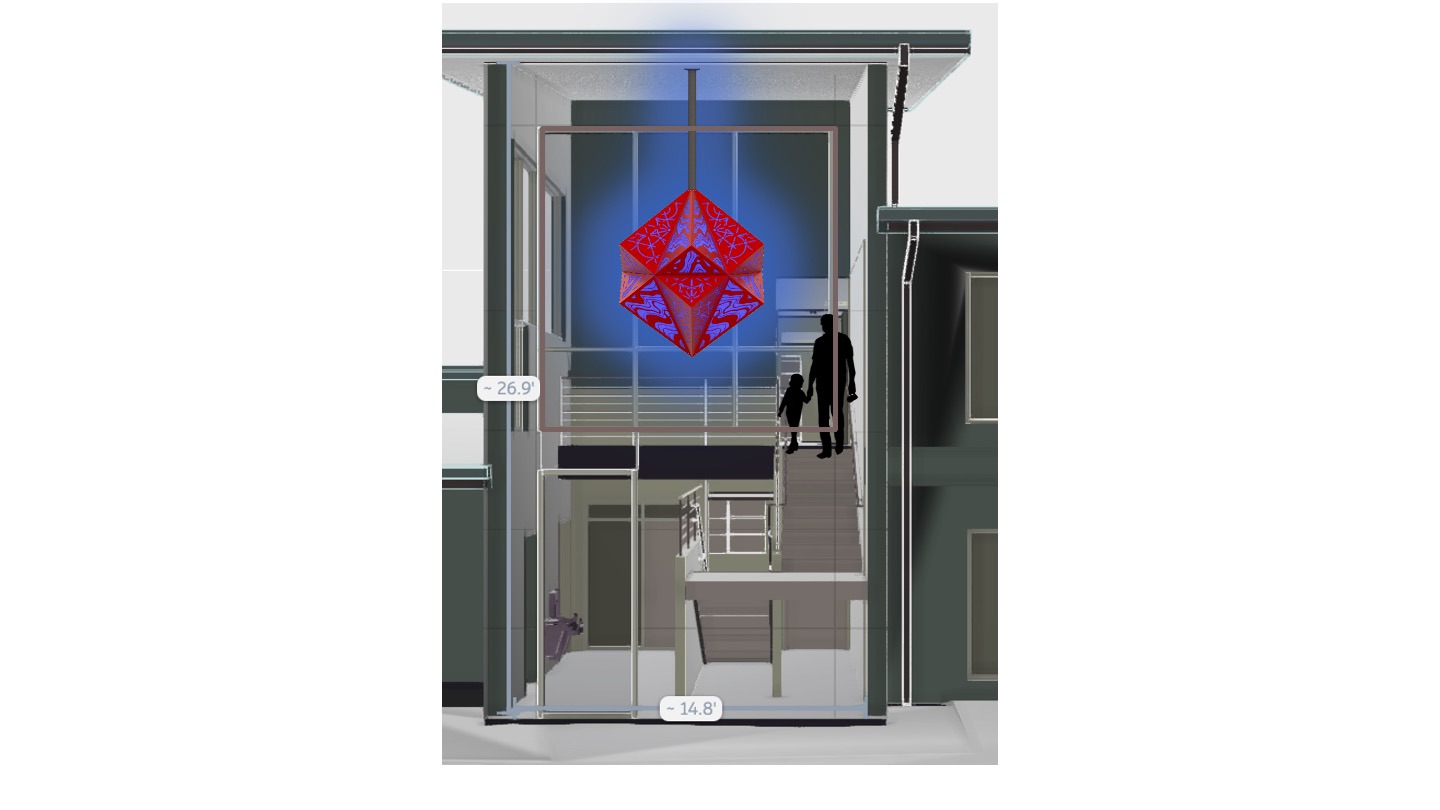
Photo Credit: Tyeschea West photography